

Products
Benefits of Cheonma
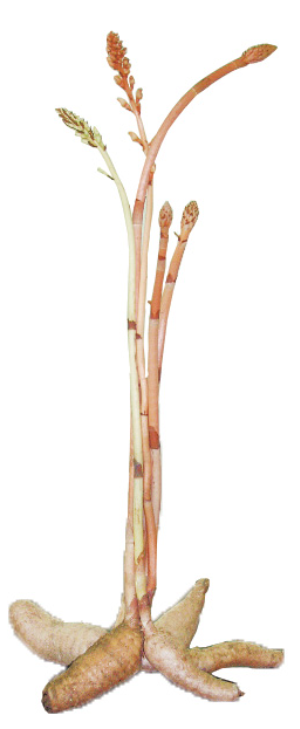
Cheonma (Gastrodia elata Blume)
Cheonma is a perennial plant belonging to the Orchidaceae family that grows
symbiotically with fungi. Traditionally, Cheonma has been used in Korea for
various purposes such as relieving headaches, dizziness, high blood pressure
, convulsions, and dementia.
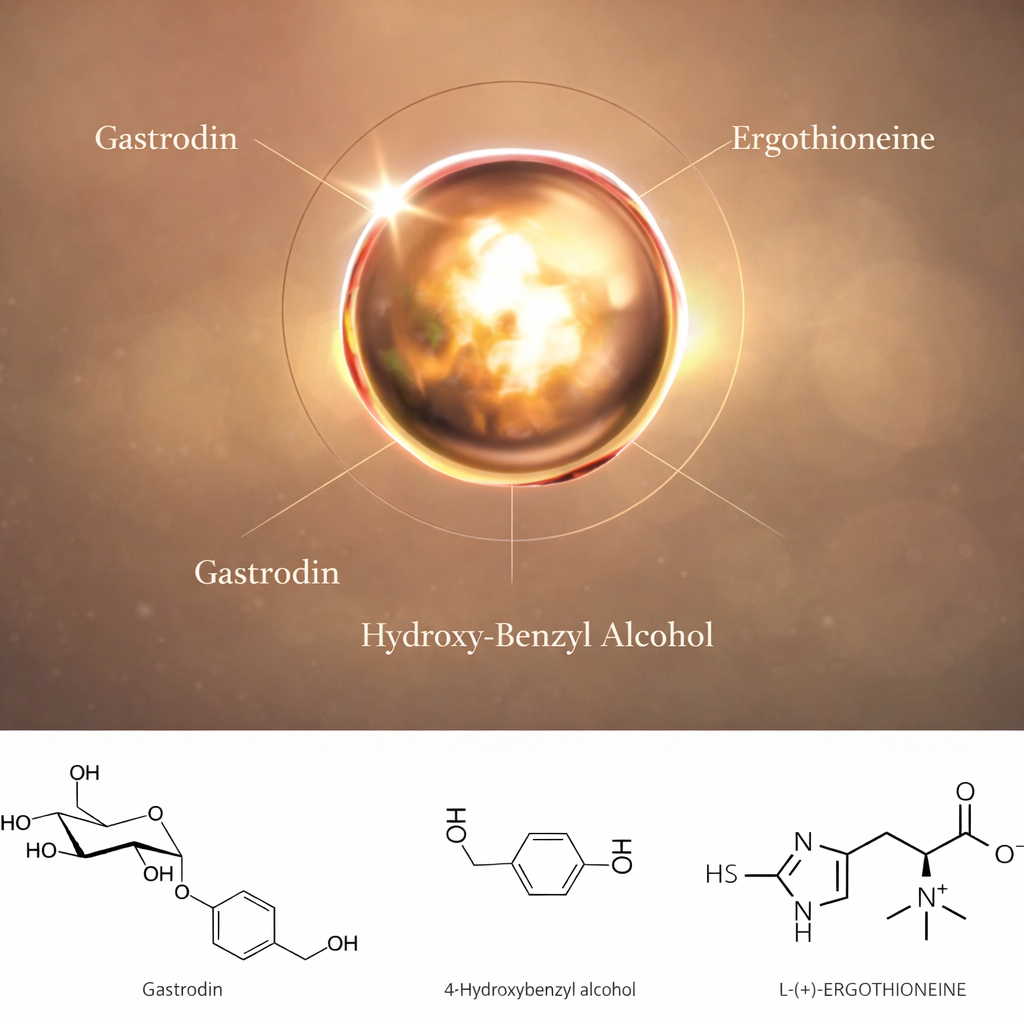
Cheonma contains bioactive compounds such as gastrodin, 4-hydroxybenzyl
alcohol, vanillyl alcohol, vanillin, 4-hydroxybenzaldehyde, and ergothioneine,
which are known to have various physiological benefits.
Among these, 4-hydroxybenzyl alcohol extracted from Cheonma has been
reported to have protective effects against ischemic brain injury. Overall,
Cheonma is known for its effects including blood circulation improvement,
anti-inflammatory, antioxidant, neuroprotective, anticancer,
and anticonvulsant properties.
Source:
The Effect of Mixture of Gastrodia elata High-pressure Enzymatic Hydrolyzates and Zanthoxylum schinifolium Extracts on the Improving Blood Circulation
Authors: Cheonbuk National University, Cho Sung-kyun; Korea Food Research Institute, Park Ji-young
Gastrodin
Among the major components of Cheonma, gastrodin is a phenolic glucoside known to have effects such as enhancing memory and suppressing reactive oxygen species.
4-Hydroxybenzyl Alcohol
One of the key active compounds of Cheonma. It is a type of natural amino acid derivative that can be absorbed through food intake. It is mainly produced in mushrooms and is known to inhibit cellular aging and show strong antioxidant activity.
Cheonma contains an especially high concentration of this compound, up to 70 times higher than that found in matsutake mushrooms, making it a notable antioxidant ingredient.
Ergothioneine
A substance found in mushrooms such as enoki mushrooms. It is a natural amino acid and is not included in proteins.
Originally discovered in ergot fungus, it is also found in blood and is biosynthesized from histidine in living organisms.
Health Benefits of Cheonma
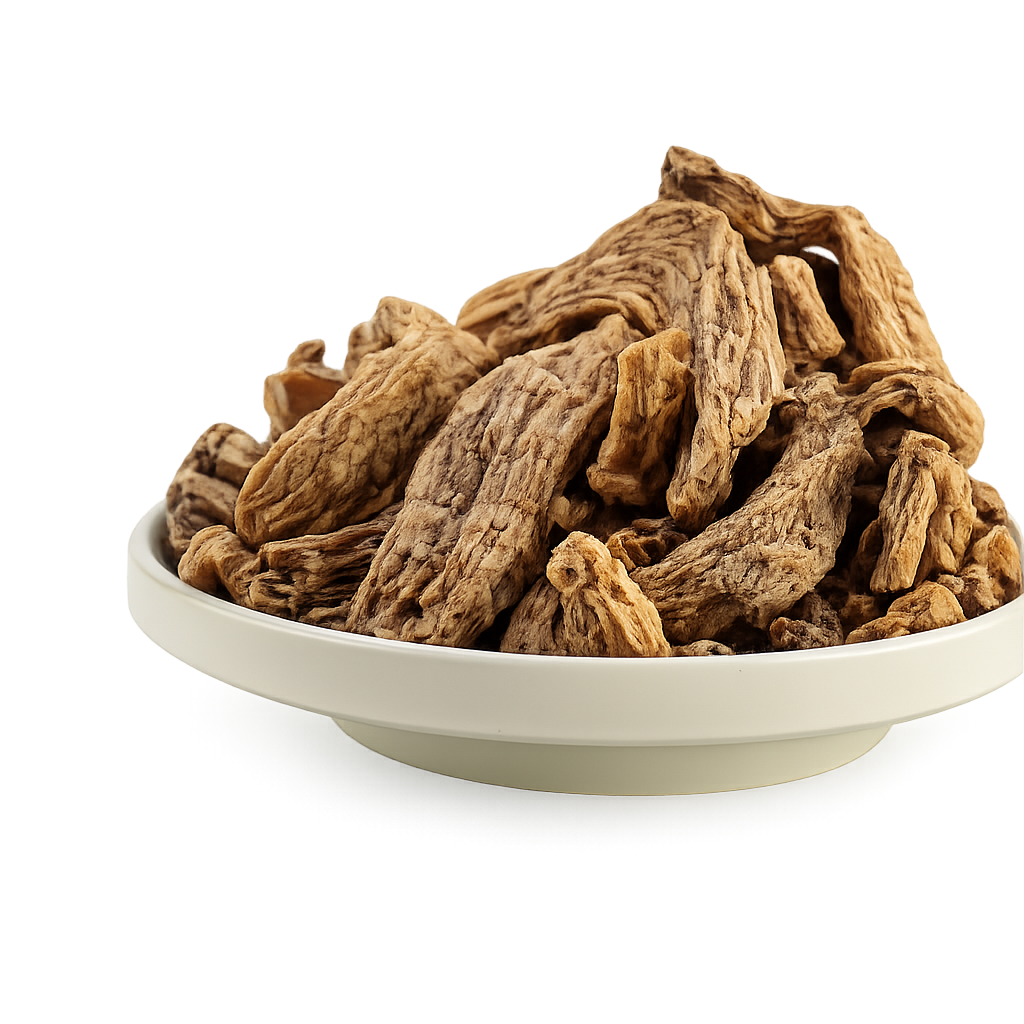
* These effects refer to the benefits of the raw ingredient itself.